A Four-Day Professional Development Workshop for Teachers
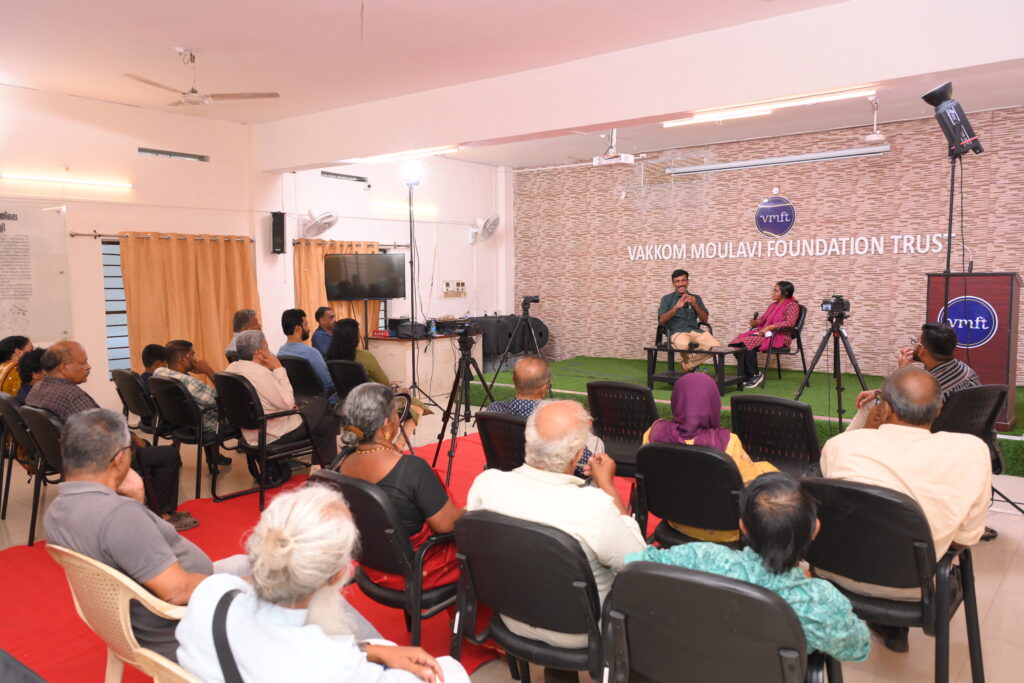
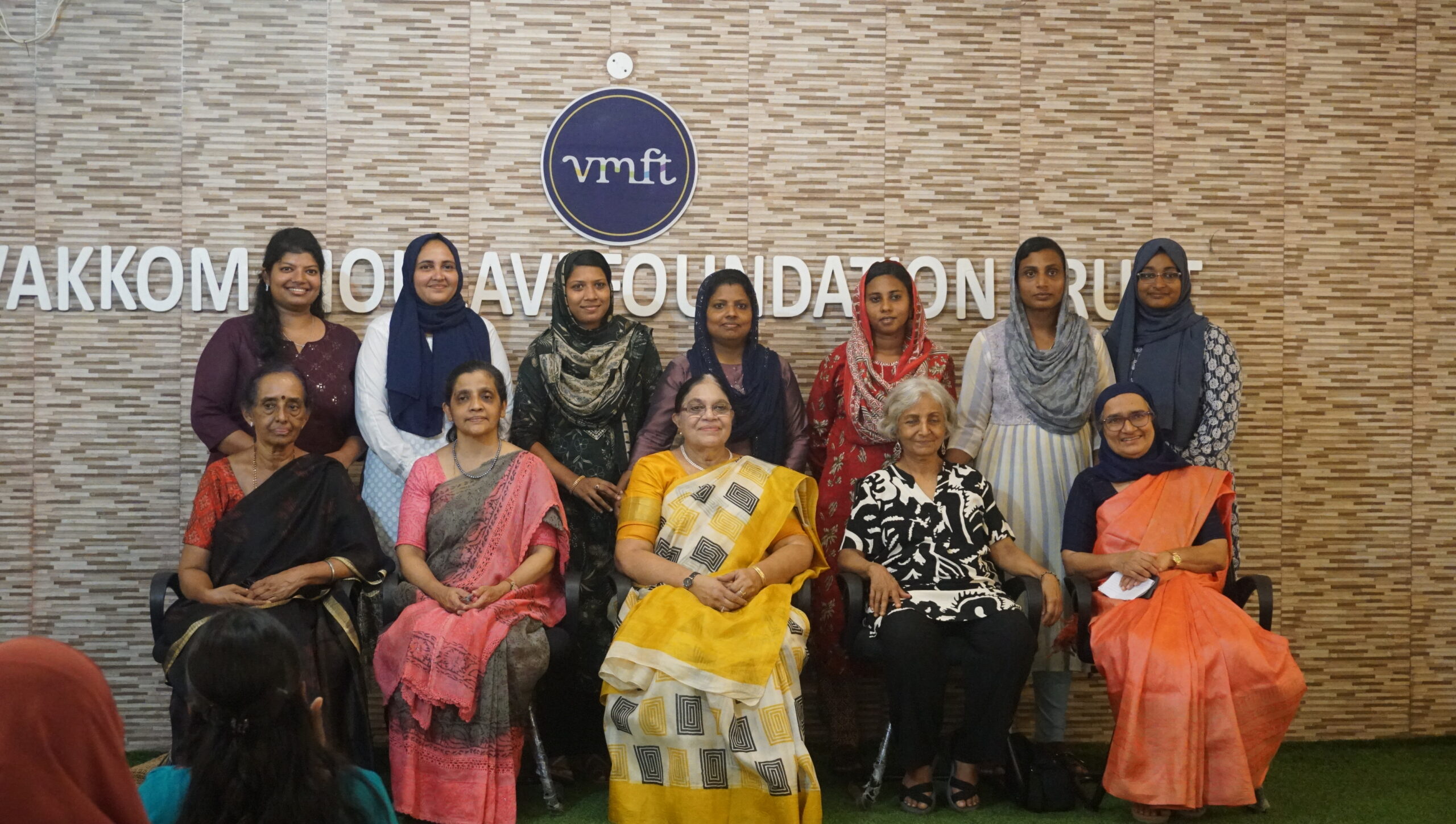
The Vakkom Moulavi Foundation Trust (VMFT) conducted a four-day Professional Development Workshop on Teaching Bilingual Reading for Joyful Learning from 12 to 15 May 2026. The workshop brought together 24 primary and upper primary educators from government, aided, and private unaided schools, as well as teachers working in community and after-school learning centres. Participants travelled from different parts of Kerala, including Thiruvananthapuram, Kannur, and Wayanad.
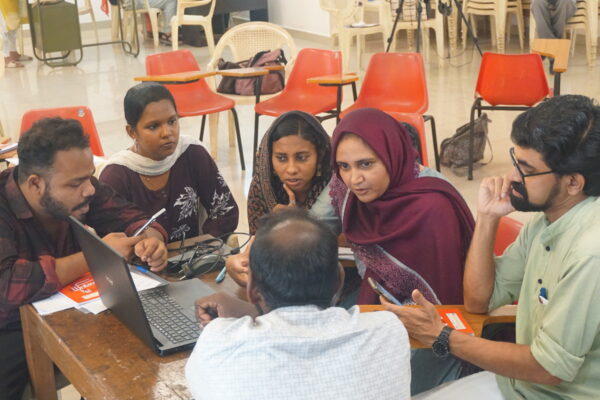
Conceived as a teacher development initiative rather than a conventional training programme, the workshop encouraged educators to examine how children learn languages, how reading comprehension develops, and how classrooms can become more inclusive and supportive spaces for learners. Through discussions, demonstrations, reflective activities, and classroom examples, participants explored practical approaches to making reading more meaningful, enjoyable, and accessible for children.
Why the Workshop Was Organised
The workshop emerged from concerns about children’s reading abilities and language learning experiences. Research has shown that many Grade 5 students struggle to read texts intended for much younger learners. At the same time, teachers often face a dilemma in English classrooms: whether to insist on English-only instruction or draw upon children’s home language to support learning.
The workshop drew on lessons from VMFT’s 20-week Bilingual Reading Programme, implemented in a private school in Ambalathara and a community learning centre in Perumathura. Conducted through storybook-based sessions in English and Malayalam, the programme explored how children’s home language can support reading development and comprehension. Facilitators observed increased participation, confidence, and engagement with reading when children were encouraged to draw on both languages to make meaning. The programme also highlighted the importance of family engagement, with many children discussing stories and reading activities at home. These experiences provided a practical foundation for workshop discussions on multilingual classrooms, reading pedagogy, assessment, and child-centred approaches to language learning.
Understanding Children, Language, and Learning
The opening sessions focused on children’s learning processes and the role of teachers in supporting them. Participants reflected on the fact that every classroom consists of children with different experiences, abilities, interests, and learning styles. Speakers emphasised that effective teaching requires teachers to adapt their methods to learners rather than expecting learners to adapt to a fixed teaching approach.
Discussions also explored the difference between teacher training and teacher development. While training often focuses on specific skills, teacher development involves continuous reflection and professional growth. Participants examined their own beliefs about language learning and discussed how assumptions about children’s social and economic backgrounds can influence classroom expectations.
One discussion centred on the belief that children from economically disadvantaged backgrounds have limited capacity to learn languages. Participants overwhelmingly rejected this view, drawing on their own classroom experiences and recognising the rich linguistic abilities children often demonstrate in their home environments.
Reading Comprehension Beyond Question and Answer
A major focus of the workshop was helping teachers rethink how reading comprehension is understood and assessed. Through practical activities, participants explored how children can demonstrate comprehension in multiple ways. Drawing emerged as a particularly powerful tool, with facilitators sharing examples of how children’s illustrations often revealed details, emotions, and interpretations that were not always evident through verbal responses alone.
Teachers reflected on how classroom assessment frequently relies on question-and-answer exercises. The workshop encouraged participants to consider alternative approaches, including drawing, sequencing, picture interpretation, discussion, and creative responses, all of which can provide valuable insights into children’s understanding.
Sessions also explored the relationship between reading speed and comprehension. Participants discussed how comprehension depends on the reader’s purpose, the complexity of the text, and individual differences among learners. Rather than encouraging speed alone, facilitators emphasised the importance of helping children develop reading habits that support understanding.
Storytelling as a Tool for Learning
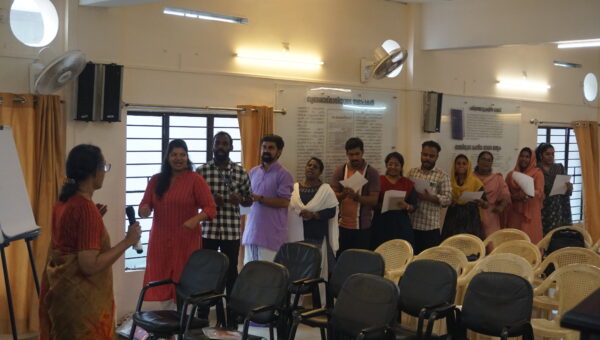
Storytelling featured prominently throughout the workshop as a strategy for building engagement and supporting language development. Participants observed demonstrations highlighting the role of voice, pacing, expression, and audience interaction in effective storytelling. They also explored picture-based storytelling techniques, where children construct meaning from visual cues before encountering written text.
Facilitators emphasised that storytelling can serve as a foundation for a wide range of learning activities, including vocabulary development, sequencing exercises, discussions, creative expression, and reading practice. The sessions encouraged teachers to create opportunities for imagination and interpretation rather than relying exclusively on explanation and memorisation.
Understanding Bilingual Reading
One of the central themes of the workshop was clarifying what bilingual reading means in practice. Facilitators stressed that bilingual education does not involve replacing English with Malayalam. Instead, it involves using children’s home language as a bridge that supports understanding while continuing to develop English proficiency.
Participants explored practical strategies for integrating the home language into English classrooms. These included teacher read-alouds, shared reading, vocabulary notebooks, structured questioning, and opportunities for children to express understanding in the language of their choice. The workshop highlighted that comprehension should be prioritised, particularly during the early stages of learning, and that children’s existing linguistic knowledge should be viewed as an asset rather than an obstacle.
The discussions also introduced concepts such as code-switching, code-mixing, and translanguaging, helping teachers understand how multilingual learners naturally draw upon all their linguistic resources when making meaning.
Assessment and Classroom Practice
The final day focused on assessment and its role in supporting learning. Participants examined the distinction between assessment of learning and assessment for learning. Discussions highlighted the importance of observing how children learn, monitoring their progress over time, and using assessment findings to improve teaching practices.
Teachers also reflected on the role of classroom interactions in building confidence. Facilitators shared examples of how children respond more positively when teachers invite their opinions, encourage discussion, and engage them in genuine conversations rather than asking questions solely to test knowledge.
Conclusion
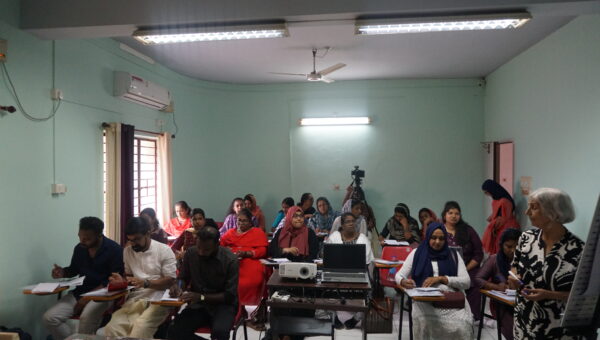
The four-day workshop provided educators with an opportunity to critically examine language learning, reading pedagogy, classroom interaction, and assessment through the lens of multilingual education. More importantly, it created a space for reflection, dialogue, and professional growth among teachers working in diverse educational settings.
At its core, the workshop reaffirmed that joyful reading and meaningful language learning are most likely to flourish in classrooms where children’s experiences are valued, linguistic diversity is recognised as a strength, and curiosity and understanding are placed at the centre of the learning process.