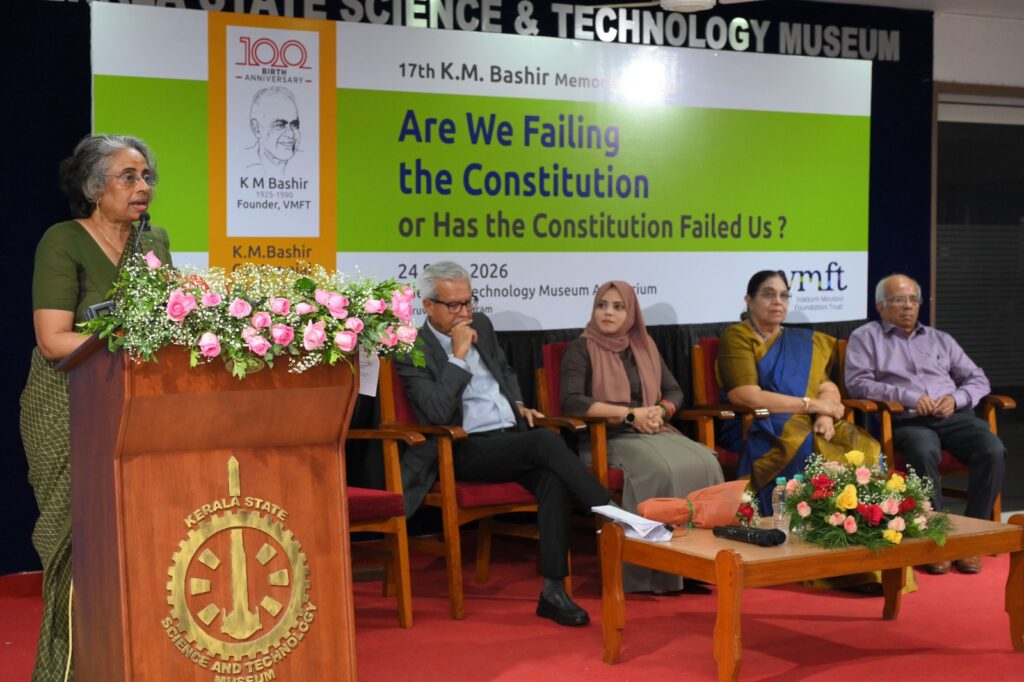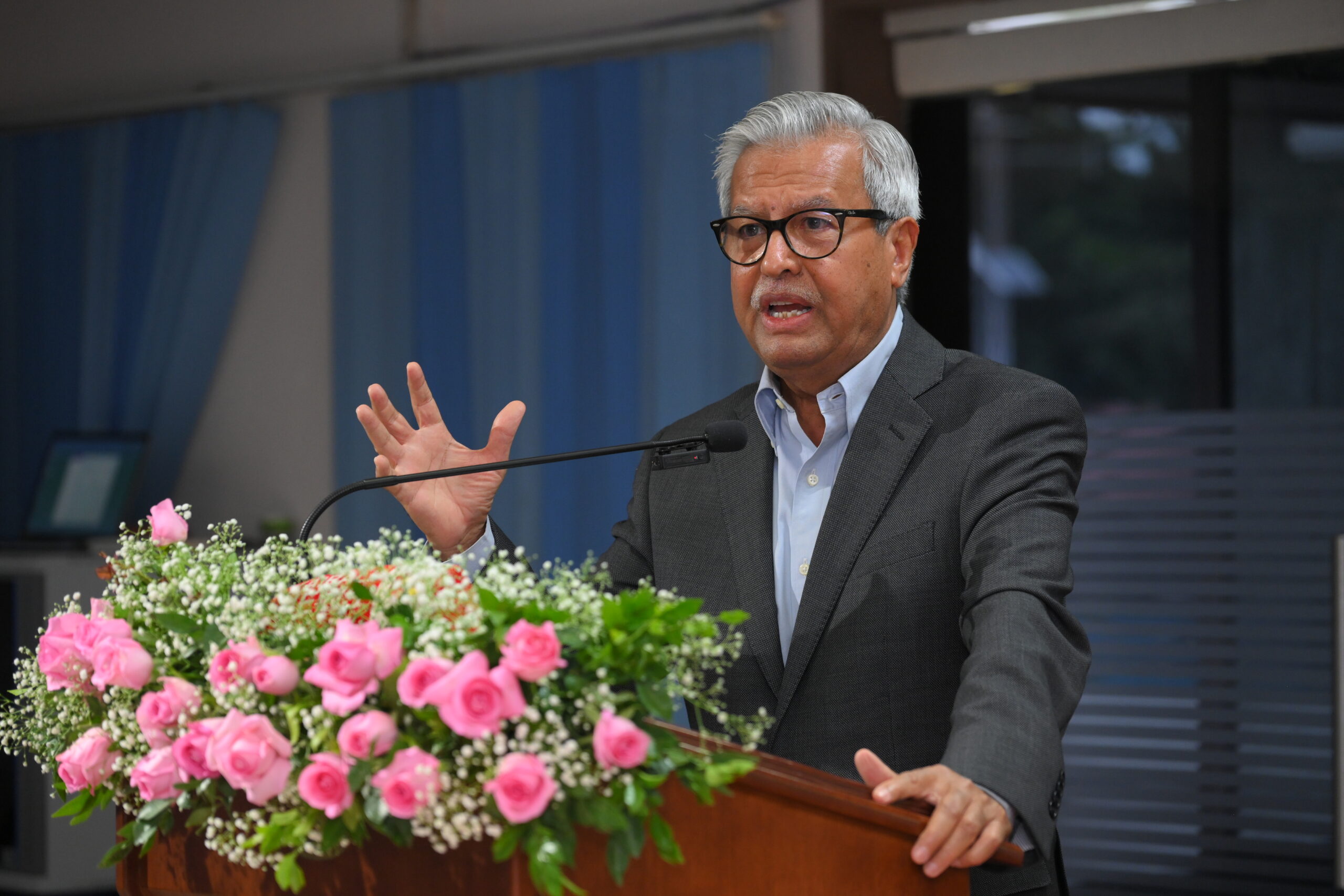
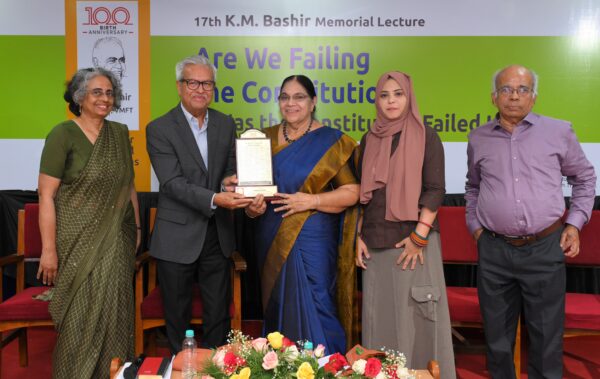
At the 17th K. M. Bashir Memorial Lecture, Senior Advocate (Retd.) Dushyant Dave examined the widening gap between the Constitution’s promises and their implementation, calling on citizens, particularly young people, to take responsibility for India’s democratic future.
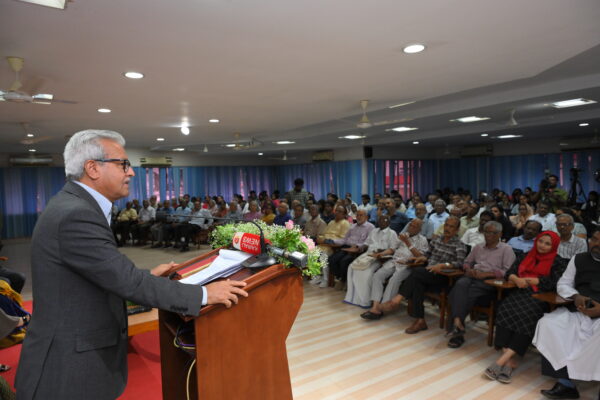
“My generation has failed this country,” admitted Dushyant Dave, Senior Advocate (Retd.) of the Supreme Court of India, during the 17th K. M. Bashir Memorial Lecture organised by the Vakkom Moulavi Foundation Trust (VMFT). Addressing the question, Are We Failing the Constitution or Has the Constitution Failed Us?, Dave turned his attention to a central concern: the distance between the ideals enshrined in the Constitution and the realities of public life.
His admission was also a challenge to the younger generation. The responsibility, he told the audience, now rests with them to help make the Constitution a meaningful reality for every citizen.
A Constitution undermined by its implementation
Dave described the Constitution as a foundational document designed to endure across generations. While acknowledging its imperfections, he argued that these do not explain the deeper failures of Indian democracy. The problem, in his view, lies in how the Constitution has been implemented by successive generations of political leaders, institutions and citizens.
The Preamble, he reminded the audience, sets out the principles that should guide the country: justice, liberty, equality and fraternity. These are not abstract ideals, but the foundations on which a democratic society must function.
Drawing on the Constituent Assembly debates and Dr B. R. Ambedkar’s warnings, Dave examined the persistence of social and economic inequality despite the promise of political equality. The right to vote, he argued, cannot by itself guarantee a meaningful democracy when citizens continue to experience unequal access to dignity, opportunity and justice.
He also stressed the importance of treating the Constitution with the seriousness and respect it deserves. Its survival depends not simply on the text itself, but on whether citizens and those in positions of authority uphold its values in practice.
Rights must move beyond the statute book
A recurring concern in Dave’s address was the gap between constitutional guarantees and their realisation. He spoke about civil liberties, freedom of expression, the treatment of minorities and vulnerable communities, and the need to protect the independence of institutions.
The judiciary, media and other democratic institutions, he argued, have a responsibility to hold power accountable. When these institutions fail to discharge that responsibility, constitutional protections risk becoming promises on paper rather than safeguards people can rely on.
Dave also raised concerns about the concentration of political power and the dangers of allowing majority rule to weaken the rights of others. Democracy, he suggested, cannot be reduced to electoral victories. It requires institutions that function independently, respect for dissent and a continuing commitment to the rights of every citizen.
His reflections returned to a fundamental question: what does it mean to have constitutional rights if those rights are not experienced in everyday life?
The questions facing the next generation
The discussion following the lecture extended these concerns to the role of citizens and institutions in contemporary India. Questions addressed to Dave touched on the protection of rights, institutional accountability, secularism, freedom and the challenges facing democratic participation.
Responding to concerns about the violation of human dignity, Dave observed that many constitutional rights had yet to be translated into meaningful action. Their presence in the Constitution was not enough if citizens could not effectively exercise them.
For Dave, young people have a particularly important role to play. Referring to the participation of young citizens in public movements, he encouraged them to continue questioning those in power and demanding accountability. His appeal was not simply to preserve the Constitution as it exists, but to help realise the promise it holds.
He concluded with a direct call to action, urging the audience to respect the Constitution and work towards its success. His admission that his own generation had failed the country lent particular weight to his message: the responsibility for the future cannot be passed on indefinitely.
The lecture left the audience with a question that extends beyond courtrooms, legislatures and legal debate. If the Constitution is a promise made to the people, what must citizens and institutions do to ensure that the promise is kept?
Watch the full event here: https://youtu.be/i21BtmdRrtI?si=PaL7pndQ3XeMZx50
Speech by Shri Dushyant Dave: https://youtu.be/9r_6eyw-d1w